
This discovery landed in my life at just the right time.
Not because I was looking for it — but because I had just learned something that allowed me to actually understand why it mattered.
We were homeschooling the kids and covering marine biology, specifically coral and coral reefs. I’ll be honest, it was one of those topics I had always skimmed past before. Coral felt interesting, but distant. Pretty, but not something I fully understood.
This time was different.
We learned how coral grows.
How it forms around objects.
How it can preserve shape long after the original material decays.
And for the first time, I realized coral isn’t just living reef — it’s also a kind of natural record.
Just days later, I came across a video documenting underwater research in the Red Sea. And when they began explaining how certain objects may have been preserved — not despite coral growth, but because of it — I was honestly stunned.
I don’t think I would have truly grasped the significance if we hadn’t just studied it together.
That’s when it felt like a God wink.
How I Found This
I came across a video documenting underwater exploration in the Red Sea, focusing on whether physical remains connected to Pharaoh’s army might still exist beneath the waters described in Exodus.
Here’s the video if you want to watch it yourself:
Discovery Under the Red Sea – Video
I watched it slowly. Not looking for proof — but paying attention. Listening carefully. Holding Scripture open alongside what was being shown.
Why Coral Matters More Than I Ever Realized
One of the most fascinating parts of this research is how coral behaves underwater.
Coral doesn’t just grow randomly. It forms around objects. It takes their shape. And over time, it can preserve outlines even when the original material is no longer present.
So when researchers described coral-encrusted formations shaped like chariot wheels and other man-made objects, it wasn’t the shape alone that mattered — it was how coral preserves form that made it compelling.
This wasn’t something I would’ve understood a month ago.
Studying marine biology gave me a new lens — and suddenly, what I was seeing made sense.
What the Researchers Found (In Simple Terms)
Without overstating conclusions, here’s what stood out:
-
Coral-encrusted formations shaped unlike natural reef growth
-
Objects spread across a wide area, not clustered together
-
Patterns suggesting a sudden event rather than slow accumulation
-
Preservation consistent with coral growth around submerged objects
What impressed me most was that the team didn’t present this as definitive proof. They explained why the findings mattered and invited viewers to consider them thoughtfully.
Even more remarkable was what it took to uncover them.

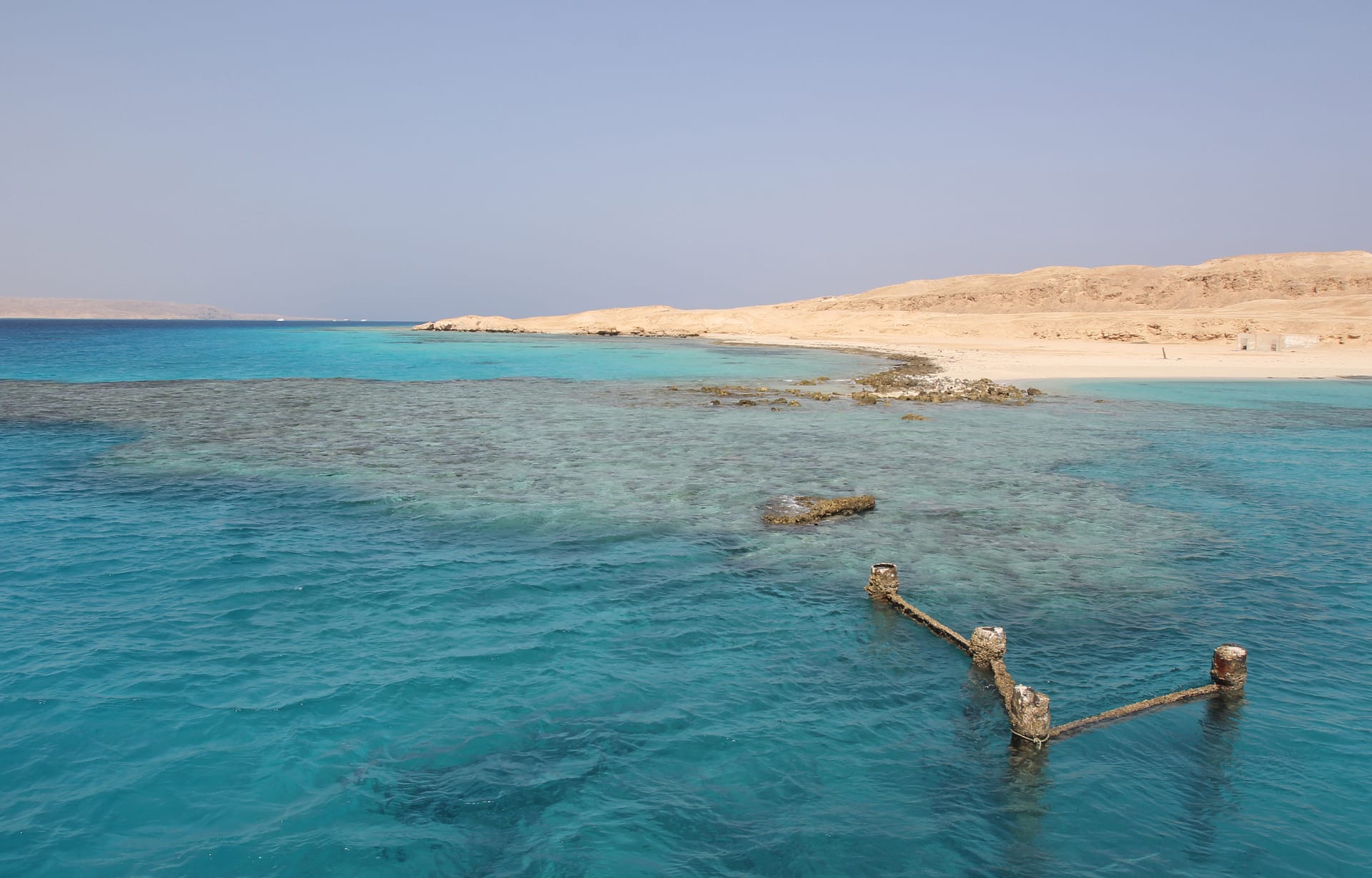
The Cost and Commitment Behind the Discovery
What amazed me just as much as the findings themselves was the effort behind them.
Believers who invested millions of their own money.
Years of planning and research.
Extremely dangerous dives.
No guarantee of results.
Apparently, similar attempts had been made before, but the risk and expense were too high for most to continue. And yet, this team believed it was worth pursuing — not for headlines, but to better understand history connected to Scripture.
That level of commitment stayed with me.
What Scripture Describes
The biblical account in Exodus describes a very specific event:
-
Israel crossing on dry ground
-
Pharaoh’s army pursuing
-
The waters returning suddenly
-
Horses, chariots, and soldiers overtaken
(Exodus 14)
What made this research compelling wasn’t just that something was found — but that the nature of the findings matched the kind of sudden, catastrophic event Scripture describes.
Not gradual erosion.
Not scattered trade debris.
But something fast. Final. Overwhelming.
What This Meant for My Faith
I want to be clear — my faith does not rest on archaeology.
God’s Word stands whether physical evidence is ever found or not.
But moments like this remind me that Scripture is rooted in real history, in real places, with real consequences. And sometimes, God allows us to glimpse that history in unexpected ways.
Learning about coral — and then seeing how it might preserve the past — deepened my appreciation for how carefully God has ordered creation itself.
Nothing wasted.
Nothing random.
Even the sea tells a story.
Holding Discovery With Discernment
This research doesn’t replace Scripture.
It doesn’t demand belief.
And it doesn’t answer every question.
What it does is invite thoughtful consideration.
And that’s where I’m learning to live — holding discoveries with humility, testing them against God’s Word, and allowing them to deepen wonder rather than replace faith.
I’m still learning.
Still studying.
Still asking questions.
And I’m grateful for moments like this — moments that remind me how much there is to learn, and how beautifully God connects knowledge, timing, and truth.
I’m learning right alongside you.
More notes you may find helpful:
An Invitation to Study Together
These blog posts reflect what I’ve already worked through privately. Inside the Take Note community, the study looks more like the margins of my Bible. Questions, observations, and connections forming slowly over time.
If you’re someone who makes intentional space for Scripture and wants to keep learning alongside others, you’re welcome to join us. Click Here to Join Now
0 Comments